Innovative Solution For Liver Diagnosis

Innovative Solution For Liver Diagnosis
What Is Vibration-Controlled Transient Elastography (TE) Technology?
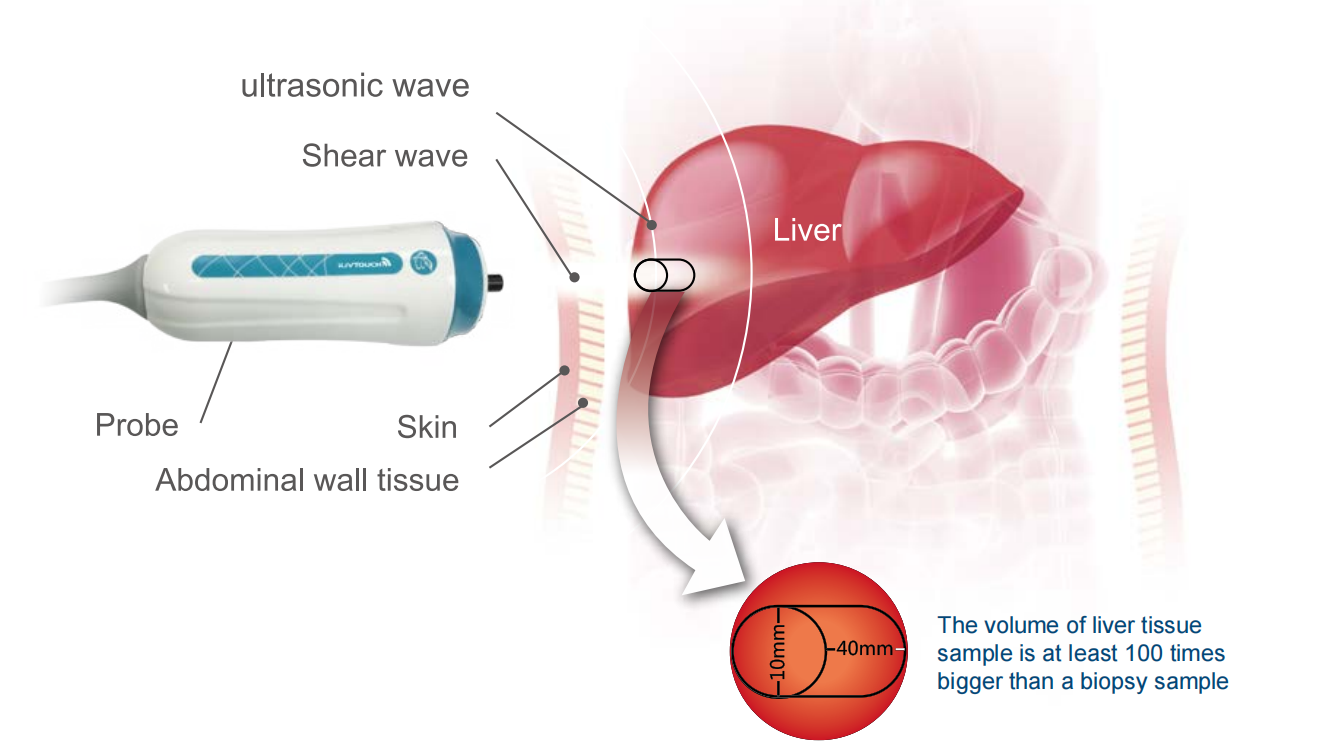
Vibration-Controlled Transient Elastography (TE) is a non-invasive imaging technology widely used for liver fibrosis and liver stiffness assessment. By generating a low-frequency vibration and tracking shear wave propagation through liver tissue, Vibration-Controlled Transient Elastography (TE) provides quantitative measurements that correlate with liver fibrosis stages.
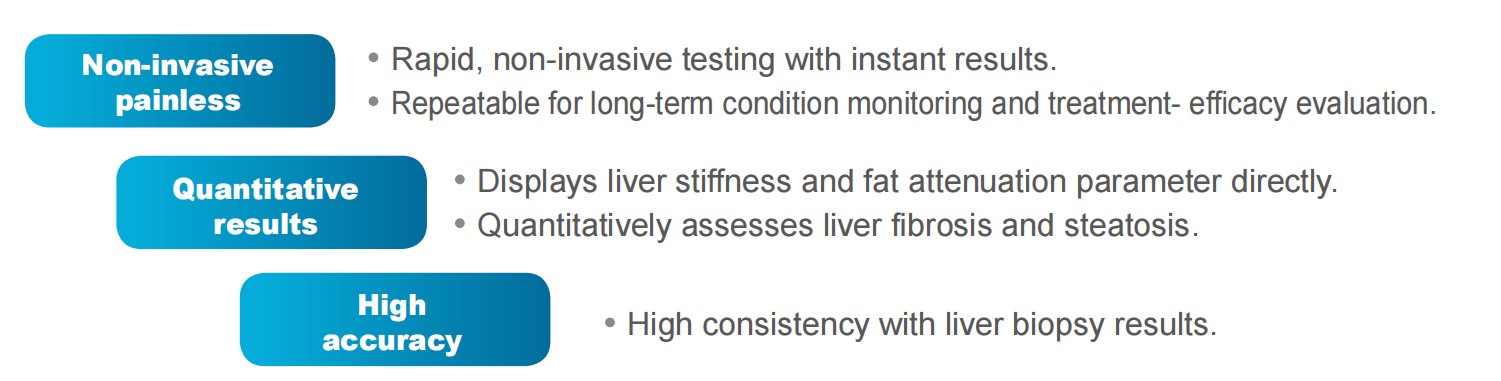
Compared with traditional liver biopsy, Vibration-Controlled Transient Elastography (TE) offers significant advantages, including safety, repeatability, and real-time results. Hisky Medical integrates advanced Vibration-Controlled Transient Elastography (TE) technology into its diagnostic solutions to support clinicians in accurate liver disease evaluation.
What Is the Principle of Liver Stiffness Measurement (LSM)?
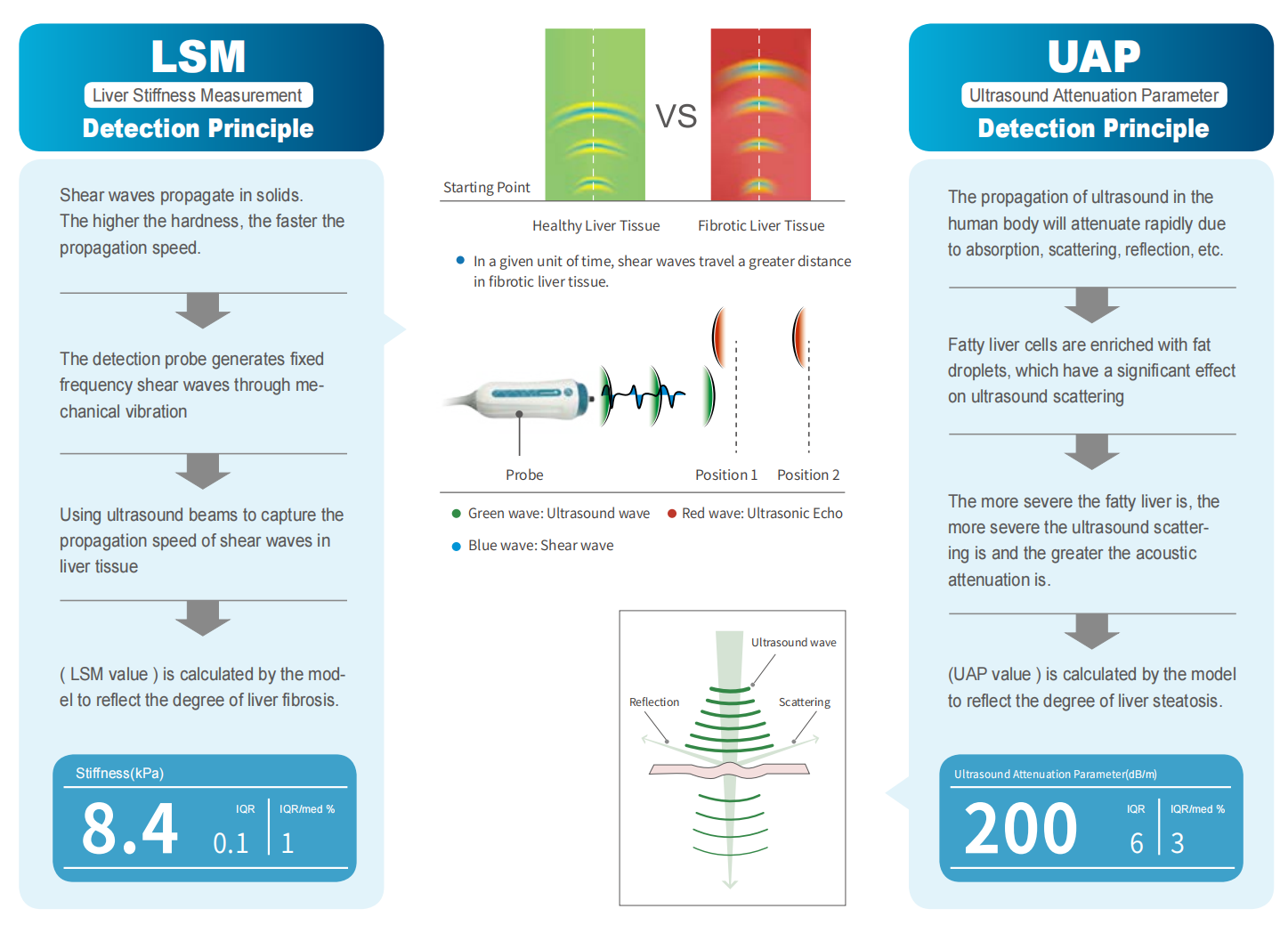
Vibration-Controlled Transient Elastography (TE) works by combining mechanical vibration with ultrasound. A mechanical impulse generates a shear wave that propagates through liver tissue. The ultrasound system tracks the speed of the shear wave, which is directly related to tissue stiffness.
Higher liver stiffness values typically indicate advanced fibrosis or cirrhosis. Vibration-Controlled Transient Elastography (TE) enables clinicians to obtain reliable quantitative data within minutes, without the need for invasive procedures.
What Is the Principle of Ultrasound Attenuation Parameter (UAP)?
Fatty liver cells are enriched with fat droplets, which have a significant effect on ultrasound signal scattering. By tracking the energy attenuation of ultrasound signals during propagation in liver tissue, the fat ultrasound attenuation parameter, a quantitative detection result of fatty liver, is given to evaluate the degree of liver steatosis.
Vibration-Controlled Transient Elastography (TE) vs Other Methods
Method | Invasiveness | Accuracy | Repeatability | Risk |
Liver Biopsy | Invasive | High | Low | Bleeding, pain |
MRI-PDFF | Non-Invasive | High | Low | High demands on equipment, high examination cost |
Ultrasound | Non-Invasive | Low | High | Subjective and experience-dependent; semi-quantitative detection |
Vibration-Controlled Transient Elastography (TE) | Non-Invasive | High | High | Not applicable for wound at the measurement point |
Clinical Applications of Vibration-Controlled Transient Elastography (TE)
Vibration-Controlled Transient Elastography (TE) technology is widely used in the assessment and monitoring of chronic liver diseases, including hepatitis B, hepatitis C, Metabolic dysfunction-associated steatotic liver disease (MASLD, formerly known as NAFLD), and liver cirrhosis.
By providing reproducible Liver Stiffness Measurement (LSM) and Ultrasound Attenuation Parameter (UAP), Vibration-Controlled Transient Elastography (TE) supports disease staging, treatment monitoring, and long-term patient follow-up.
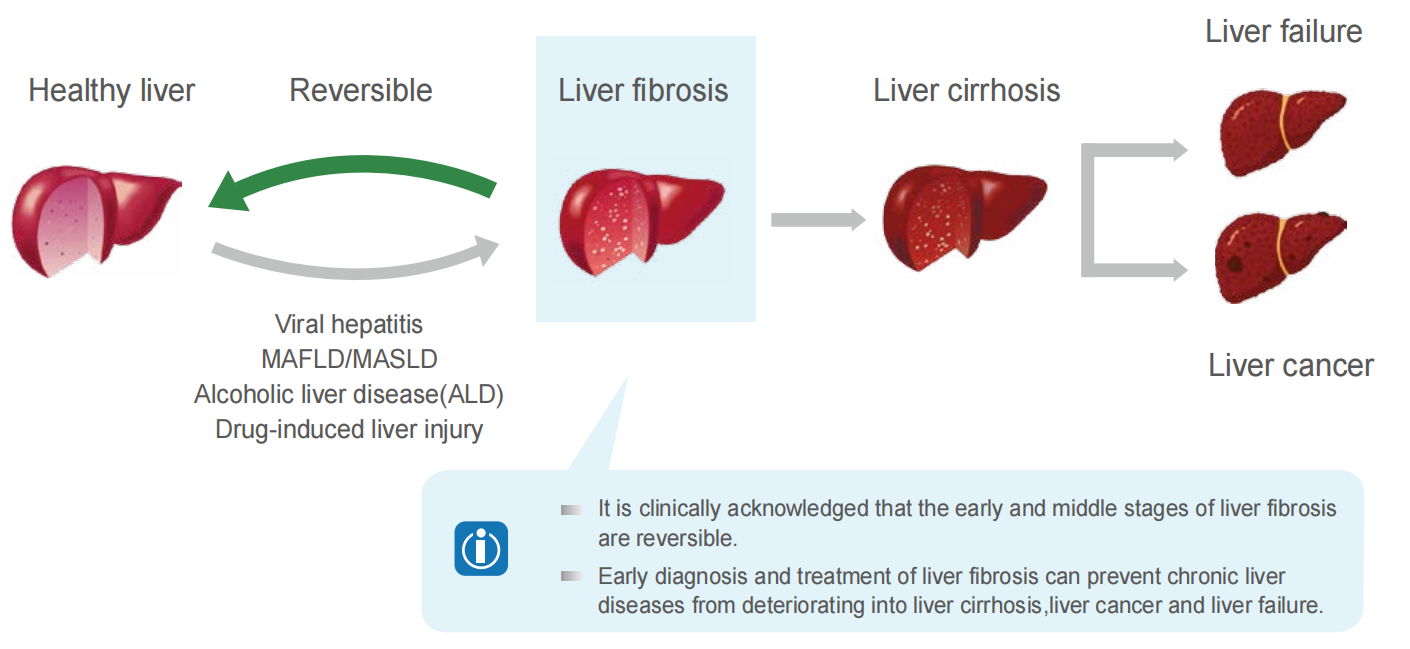
Liver fibrosis is the common pathological process in various chronic liverdiseases leading to liver cirrhosisEarly detection is key to slowing the progression of liver disease
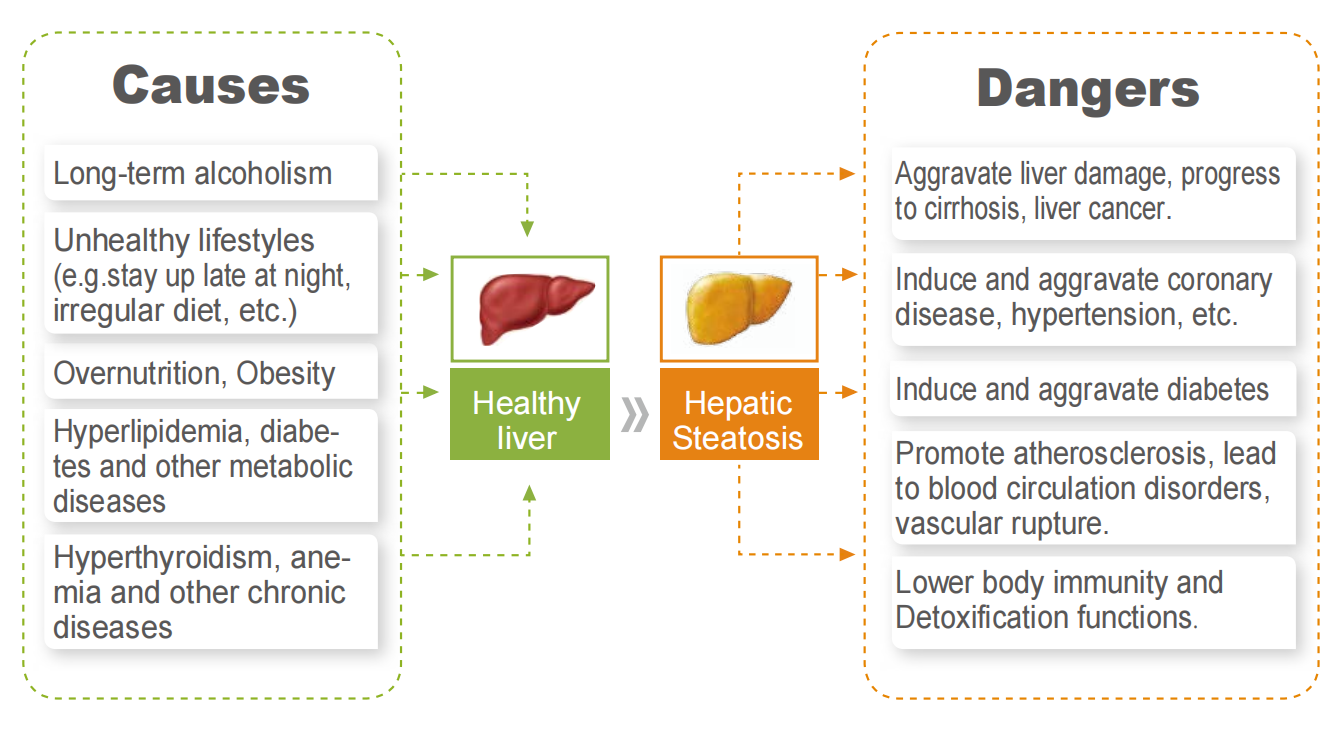
Liver Health Killer: Hepatic Steatosis
Why Choose Hisky Medical iLivTouch® System ?
Hisky Medical is committed to advancing non-invasive liver diagnostics. Our Vibration-Controlled Transient Elastography (TE)-based solutions are designed with clinical accuracy, workflow efficiency, and patient comfort in mind.
With continuous technological innovation and clinical validation, Hisky Medical supports healthcare professionals worldwide in improving liver disease diagnosis and management.
iLivTouch®: Precise detection for liver fibrosis and steatosis